Commerce platforms engineered around how customers actually discover, decide, and buy.
Custom storefronts, commerce workflows, inventory, order management, platform integrations, and AI-assisted recommendations built around conversion and operational efficiency.
Custom commerce experiences built for growing digital businesses.
28%of lost checkout value is addressable when the storefront, stock and marketplace channels report the same numbersModelled — see the return below
Custom commerce experiences built for growing digital businesses.
Why Generic Software Fails e-Commerce
Generic commerce platforms work for the happy path: a simple catalog, a standard checkout, one sales channel. They start to break the moment a business needs custom product logic, complex inventory across locations, multi-channel orders, or pricing that responds to real demand instead of a fixed discount rule.
The default commerce-platform app-store answer to personalization is usually a plugin trained on aggregate data across thousands of unrelated stores, producing recommendations that feel generic because they are. The same pattern shows up in inventory: bolted-on order management that drifts out of sync the moment a business sells through more than one channel.
DevExcel builds storefronts, recommendation logic, and inventory systems on your store's own catalog, purchase history, and operational data, the signal that actually predicts what your customers buy and where your stock actually is.
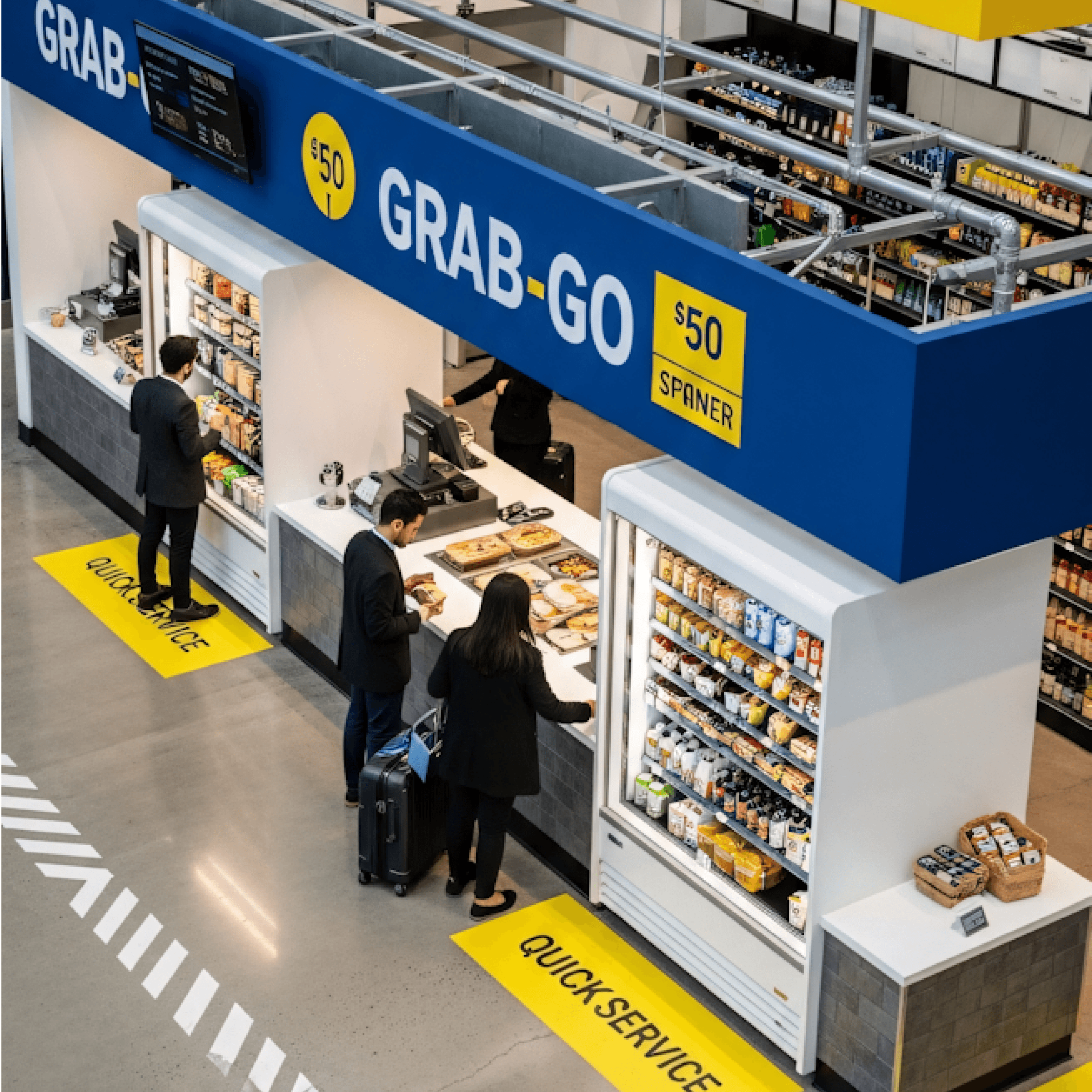
The storefront looks like everyone else's
A stock theme with a logo swapped in doesn't reflect a brand's actual positioning or product complexity as the catalog grows.
Product recommendations are generic
"Customers also bought" suggestions trained on someone else's aggregate data rarely move the numbers a store's own purchase history could.
Inventory and orders become fragmented
Stock and order data drift out of sync the moment a business sells across more than one channel or location.
Pricing cannot adapt to changing demand
Static discount rules set once and forgotten leave margin and conversion on the table during real demand shifts.
Conversion problems are discovered too late
Without instrumentation built for it, drop-off points in the funnel go unnoticed until revenue has already been lost.
What changes when e-Commerce software is built around the operation
BeforeStock is held per channel, so the store and the marketplace disagree and something oversells.
AfterOne stock ledger serves every channel, with reservation rules that prevent the oversell.
BeforeConfigurable and made-to-order products are forced into a template catalogue that cannot describe them.
AfterProduct configuration is modelled properly, with option dependencies and live preview at the point of choice.
BeforeMonth-end reconciliation means three invoice formats and a spreadsheet.
AfterInvoicing is generated per jurisdiction from one order record.
BeforeAnalytics and the live catalogue read different data, so every pricing decision starts with an argument.
AfterReporting is built on the same data the storefront serves, so the numbers cannot diverge.
What that is worth in a year
| Value driver | How it is calculated | Annual value |
|---|---|---|
| Orders recovered from oversell and cancellation | 17,280 orders/year × 1.5% cancelled for stock error × $65 order value | $16,848 |
| Checkout completion improvement | 960,000 sessions/year × 0.25 percentage points of conversion × $65 | $156,000 |
| Reconciliation and listing maintenance effort | 18 hrs/month × 12 months × $40 loaded cost | $8,640 |
| Total annual value | $181,488 | |
| Implementation cost | $95,000 |
Payback period: 6.3 months
First-year return on the modelled figures: 91%
Figures are modelled from the reference operation above using our delivery experience, not measured from a client engagement. Traffic, conversion and order value differ enormously between catalogues. Treat this as a way to size the opportunity, not as a result we are committing to.
How these figures were built
Reference operation: A multi-channel brand taking 80,000 storefront sessions a month at a 1.8% conversion rate and a $65 average order value, selling through its own store and two marketplaces.
Modelled over a 12-month period on the reference operation stated above. The conversion line is the largest and the most sensitive: a quarter of a percentage point is a deliberately conservative assumption, and at lower traffic volumes this figure falls sharply.

e-Commerce — Fine Jewellery Storefront
A custom e-commerce platform for a jewelry retail business, with digitized sales and inventory management.
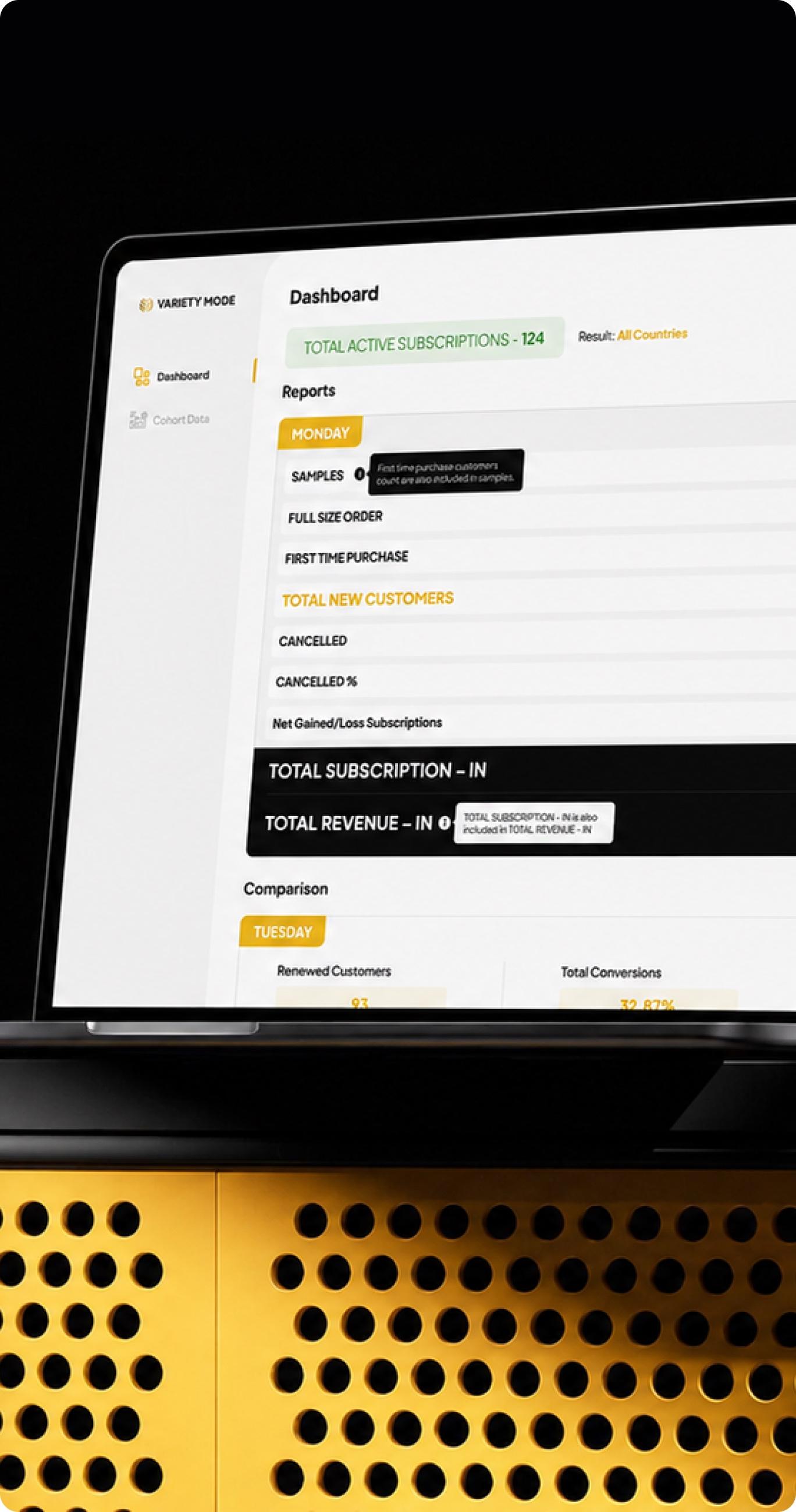
e-Commerce — Order & Subscription Dashboard
A unified operations platform replacing a separate Shopify store and subscription tool with one interface for orders, invoices, and catalog data.
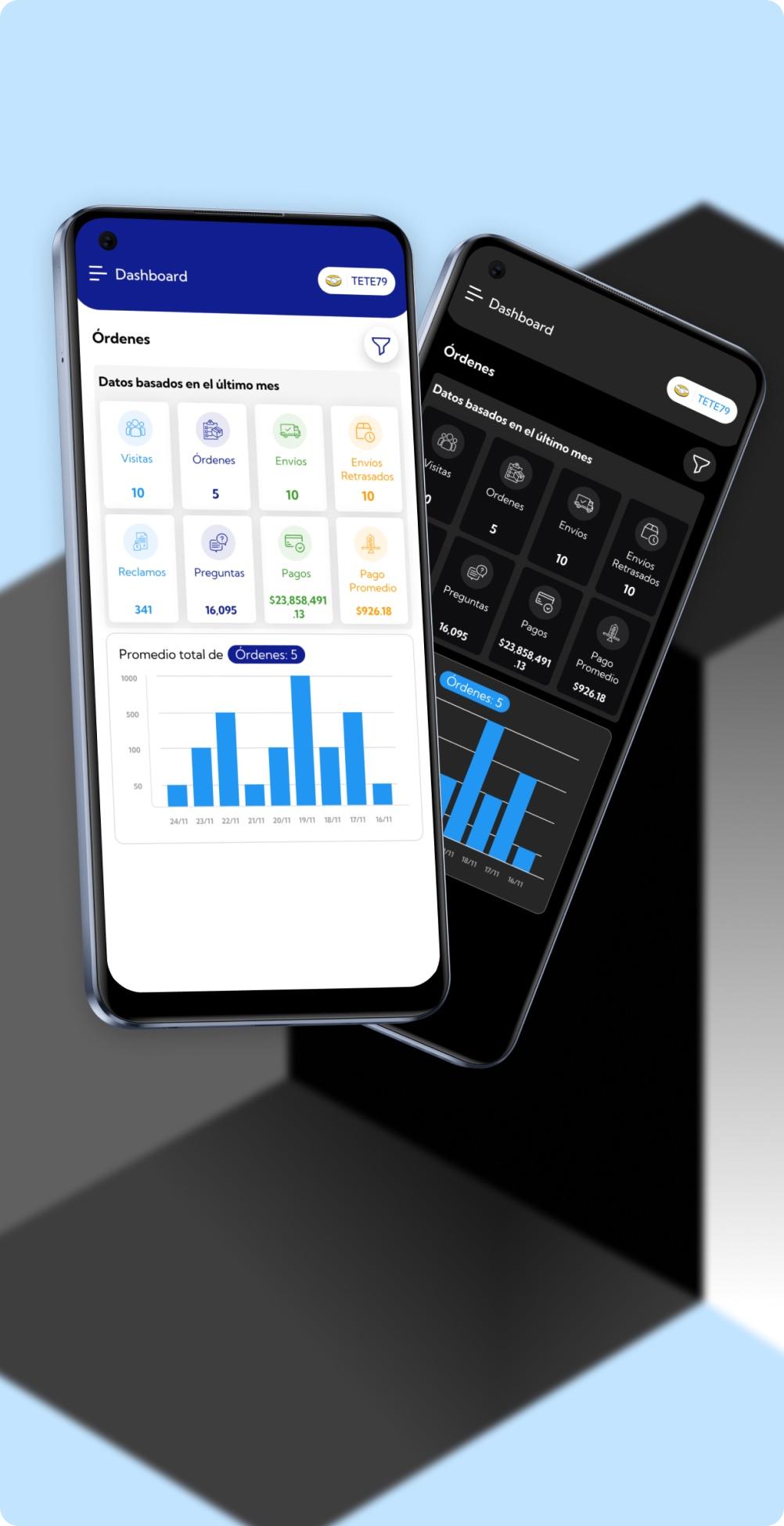
e-Commerce — Multi-Marketplace Operations Platform
A Mexican SaaS platform centralizing multi-marketplace operations, billing profiles, and tax-compliant digital invoicing across Amazon and Mercado Libre.

e-Commerce — Made-to-Order Jewellery Storefront
A custom jewelry e-commerce platform with personalized fine jewelry browsing, a ring builder, and a full backend admin panel.

e-Commerce — Auto Parts Marketplace
A Mexican automotive parts marketplace with vehicle-based parts search, shop-by-brand browsing, and secure nationwide checkout.
Custom storefronts
A storefront built to your brand and catalog specifically, not a themed template with the logo swapped in.
Commerce applications & integrations
Custom storefronts and commerce applications integrated cleanly with your existing stack.
Inventory & order management
Multi-channel inventory and order systems that stay in sync instead of drifting apart.
AI product recommendations
Recommendation logic trained on your store's own catalog and purchase behavior.
Dynamic pricing systems
Pricing that responds to real demand and inventory within the business rules you define.
Commerce analytics
Instrumentation that surfaces where conversion is actually leaking, before revenue is lost.
AI is not a feature we bolt onto an existing workflow.
It's part of how DevExcel designs, reasons through, automates, monitors, and improves industry software.
Personalized product discovery
Recommendations are built from your store's own product and behavioral data instead of an aggregate model trained on unrelated catalogs.
Demand-aware pricing
Pricing models respond to real demand and inventory signals within business rules you define, instead of a static discount set once and left alone.
Conversion intelligence
AI helps identify where users are dropping off in the funnel and which specific experiences need attention, replacing guesswork with signal.
E-commerce founders
Founders launching a digital commerce brand that needs to look and convert like a real business from day one.
Retail businesses moving online
Established retail businesses digitizing operations that need inventory and orders to work the same way online as they do in-store.
Brands outgrowing standard storefronts
Growing brands whose catalog and customer base have outpaced what a default theme or stacked-plugin setup can support.
Both. We build on established commerce platforms when they fit the catalog and checkout requirements, and fully custom storefronts when a platform's constraints don't fit the business.
Most app-store recommendation plugins are trained on aggregate data across thousands of unrelated stores. We build recommendation logic on your store's own catalog, purchase history, and inventory, the signal that actually predicts what your specific customers buy.
Yes. Multi-channel inventory and order management is one of the core systems we build, specifically to stop stock and orders from drifting out of sync between channels.
No. Pricing logic operates within the business rules and margin guardrails you define; it responds to demand and inventory signals inside those bounds, it doesn't set its own rules.
It depends on catalog complexity and integrations, but we scope a fixed timeline during the discovery call rather than quoting a generic range that doesn't reflect your actual store.
Yes. Migration planning includes preserving URL structure, redirects, and metadata so the move to a custom storefront doesn't cost you existing search rankings.
Don't see your question? Let's talk.
Building in e-Commerce?
Let's talk about your project.
30 minutes. We'll discuss your specific challenge, show relevant work, and tell you honestly what we'd build.